
Sleep Is Your SUPERWELL Superpower
Sleep isn’t downtime. It’s prime time for your biology, and your most powerful performance tool.
If you’re a high-achieving woman, chances are you’ve said this before: “I’ll catch up on sleep later.” “I function fine on less.” “There’s just too much to do.” And for a while, maybe you do. You push through. You perform. But over time? Your body keeps score. Your energy becomes unpredictable, your cravings increase, your mood shifts, your workouts feel harder, and your hormones feel off. That “something” that still feels missing? Sleep.
Why Sleep Is Not Passive, It’s Performance
One of the biggest misconceptions I see, especially in high-performing women, is that sleep is treated like a luxury. In reality, sleep is your most powerful performance tool. While you’re sleeping, your body is actively:
- Regulating hormones (cortisol, insulin, estrogen, growth hormone)
- Repairing muscle and tissue
- Clearing brain toxins through the glymphatic system
- Consolidating memory and improving cognitive function
- Supporting fat metabolism and metabolic health
This isn’t downtime. This is prime time for your biology.
The Cost of Poor Sleep
You can eat clean, work out consistently, and take all the right supplements, but if your sleep is off, everything becomes harder. Even one night of poor sleep can increase insulin resistance, elevate cortisol, increase hunger hormones, decrease recovery and muscle repair, and impair decision-making and focus. Sleep impacts everything you’re trying to optimize.
The SUPERWELL Sleep Stack
This is where I shifted my approach, not just “trying to get more sleep,” but building a Sleep Stack: a series of simple, strategic habits that signal to your body it’s safe to rest, it’s time to recover. Because great sleep doesn’t start at bedtime. It starts the moment you wake up.
1. Morning Light = Nighttime Sleep
Your circadian rhythm is driven by light exposure. Morning light regulates cortisol, sets your melatonin timing for later, and improves sleep onset at night. Even 5–10 minutes of outdoor light can make a measurable difference.
2. Caffeine Timing Matters More Than You Think
Caffeine has a half-life of 6–8 hours, which means that afternoon coffee is still in your system at bedtime. Instead of cutting it completely, keep caffeine earlier in the day, pair it with food, and be mindful of your personal sensitivity.
3. Blood Sugar Stability = Better Sleep
If your blood sugar drops during sleep, your body releases cortisol to bring it back up, and you wake up or sleep lightly. Prioritize protein at dinner, avoid large sugar spikes late at night, and consider a balanced evening snack if needed.
4. Create a Wind-Down Ritual (Not Just a Bedtime)
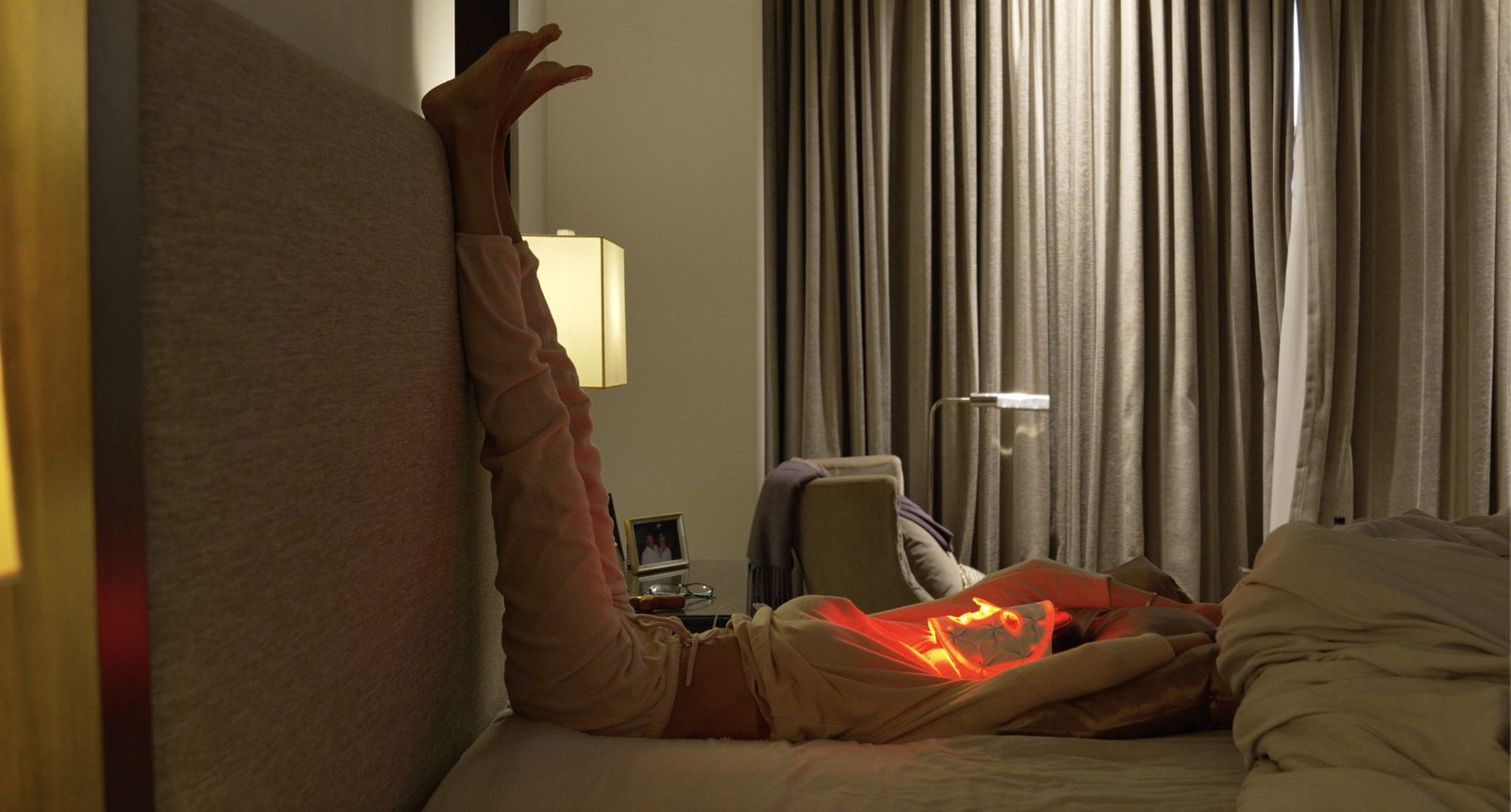
Your nervous system needs a transition, a signal that you’re shifting from doing to being. This can include red or dim lighting, light stretching or legs-up-the-wall, breathwork, reading or journaling, an Epsom salt bath, an acupressure mat, or skincare as a ritual rather than a task.
5. Lower Your Light, Lower Your Cortisol
Artificial light at night, especially blue light, disrupts melatonin and delays sleep. Dim lights after sunset, limit screens 30–60 minutes before bed, consider amber or red lenses in the evening, and use low-light environments when possible.
6. Temperature Is a Game-Changer
Your body needs to drop its core temperature to fall into deep sleep. Aim for a cool room (around 66–67°F), breathable bedding, and minimal disruptions. This one shift alone can dramatically improve sleep quality.
7. Nervous System First (Again and Always)
If your body feels stressed, it won’t fully let go into sleep, that’s not a mindset issue, it’s biology. Layer in breathwork, contrast therapy, and mindfulness. When your nervous system is calm, your sleep deepens.
The Shift: Sleep as a Non-Negotiable
This was a turning point for me: when I stopped treating sleep as optional and started treating it as foundational, not something I “fit in,” but something everything else was built around. Because when sleep improves, energy stabilizes, hormones regulate, workouts feel better, decisions become clearer, and you show up differently in business and in life.
You don’t need more effort. You need better alignment. Sleep is where that alignment begins.
If you do nothing else, start here: get 5–10 minutes of morning light, dim your lights at night, create a simple wind-down ritual, and cool your sleep environment. Because you cannot shortcut sleep, and you cannot perform at your highest level without it. Sleep isn’t a luxury. It’s your SUPERWELL superpower.
The SUPERWELL Journal shares general wellness information, not medical advice. See our Website Disclaimer.